Best jump starters
The Best Jump Starters for Cold Weather
Peak amps, published engine ratings, and the storage rule that decides whether the pack works at 0F.
It will not start
Cold thickens the oil and weakens the battery at the same moment. Here is the arithmetic behind that, and the one specification that was literally defined for this morning.
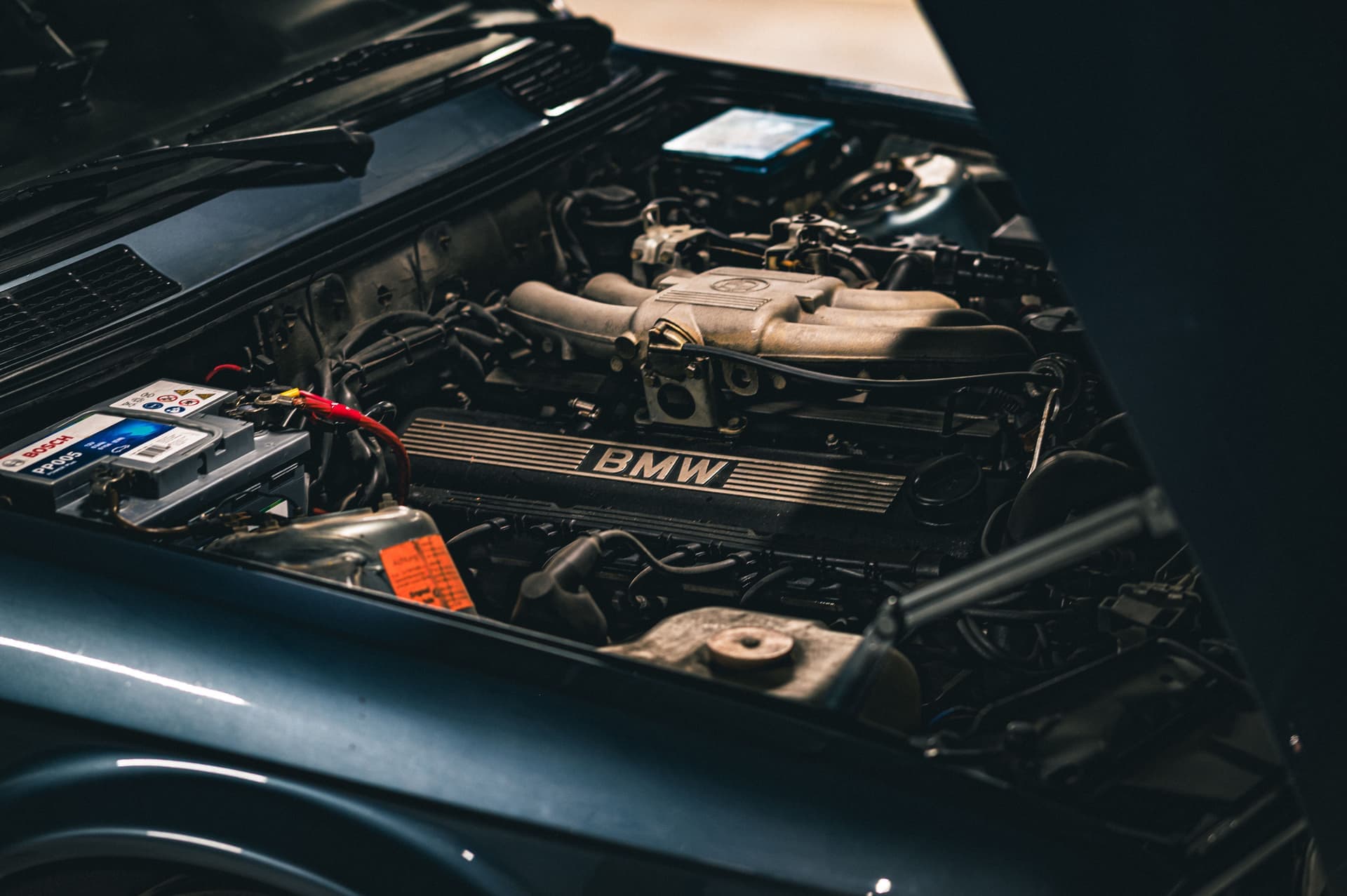
A car that will not start on a cold morning is failing for two reasons at once, and they push in the same direction. The engine oil is thicker, so the starter has to work harder to turn the engine over. And the battery, which is a chemical device, delivers less current when it is cold. More demand, less supply, on the same morning.
That is why cars that started fine all autumn suddenly do not, and why the failure feels so sudden. The battery had been getting weaker for months; the cold just moved the goalposts. The mechanism in full is in why cars do not start in the cold.
Almost every specification in the car aisle is quoted at room temperature. Cold cranking amps is not. CCA is defined as the current a 12V battery can deliver for thirty seconds at 0F while holding at least 7.2 volts. It is a cold-weather number by definition, which makes it the single most useful figure on a battery label.
Higher CCA is more starting margin on a cold morning. It is not the only thing that matters - reserve capacity tells you how long the car runs on the battery alone if the alternator quits - but it is the number to compare first. Every battery in the battery picks publishes its CCA, and we list it.
A battery is a fitment part. Group size defines the physical dimensions, the terminal positions and which way round the posts are. A group 34 battery will not sit in a tray built for a group 35, and a top-post battery will not reach the cables on a side-post car.
Look up your group size before you compare a single specification, because every other number is irrelevant until the battery physically fits. It is in your owner manual, and it is printed on the battery currently in the car.
Modern jump starters are lithium packs. They are small, they hold charge for months, and they have one characteristic that is genuinely awkward: lithium cells deliver less current when they are cold. The pack you bought specifically for cold mornings is at its weakest on cold mornings.
This is not a reason to avoid them - it is a reason to store them somewhere warm. A pack in the glovebox has been sitting in cabin temperatures overnight. A pack in the trunk has been sitting outside. Same product, meaningfully different behavior. Some packs now include a pre-heat function for exactly this reason, and where a maker publishes an operating temperature range we quote it; where they do not, we say so rather than guessing.
The full comparison, including the case for plain jumper cables, is in lithium vs lead-acid jump starters and jump starter vs jumper cables.
Shorter than most people think, and the reason is that a modern engine warms fastest under light load rather than at idle. There is a real exception for diesels and a different answer for hybrids. All three are in how long to warm up your car in winter.
Two follow-ons if either applies to you. If the vehicle is a truck, a large SUV or anything diesel, the pack you need is bigger than the headline amps suggest - jump starters for SUVs and trucks explains why the diesel rating is roughly half the gas one. And if the maintainer is the item on that list you recognized, the battery charger picks compare them on temperature compensation, which is the only winter-specific feature in the category.
Less often than the habit suggests, and not by idling it in the driveway. Starting an engine is the biggest current draw a car makes, and a cold idle is the alternator at its weakest - so a short idle can leave the battery lower than before you turned the key. How often to start your car in winter has the drive that actually recharges it, and what to do when there is no outlet to plug a maintainer into.
A hundred dollars buys a genuinely capable pack now, and it also buys a lot of numbers that mean nothing - peak amps has no standardized test behind it, so a forty dollar pack can print a bigger figure than a two hundred dollar one. The best jump starters under $100 ranks on the published engine rating instead, which is the only figure a maker actually stands behind. If you want a close read of one specific pack rather than a list, our HULKMAN Alpha85 review goes through what it publishes and what it leaves out.
And if you are still deciding which tool you need at all, the two products in this section that look adjacent solve opposite problems: jump starter vs battery charger is rescue against prevention, and buying the wrong one first is the most common mistake here.
For a lot of modern cars this is not a choice: stop-start systems and any car that shipped with AGM need AGM, and fitting a conventional flooded battery instead shortens its life sharply. Where the choice is genuinely open, the deciding factor is not how cold it gets but how often the car sits - AGM holds its charge better while parked, and the classic winter no-start is a sound battery that quietly discharged over two weeks of short trips. AGM vs flooded car battery covers how to tell which you have, the charging difference, and why flooded batteries are so hard to buy online.
A cold start is two problems at once: a battery that can deliver less than its rating, and oil that has thickened. Battery pads and wraps attack the first, oil pan heaters the second - and one of those will not stick to most modern cars, because magnets do nothing on an aluminum pan. The engine and battery warmer picks explain which half to spend on and how to check fitment with a fridge magnet.
And if what you actually want is to get into a car that is already warm with clear glass, only one product genuinely delivers that. It is also the one where the price on the box is roughly half the real cost: are remote car starters worth it covers installation, bypass modules and the vehicles it does not suit.
Almost every winter no-start is a battery that was already weak in October and nobody checked. The catch is that the obvious tool does not answer the question: a multimeter reports state of charge, so a battery can read a textbook 12.6 volts at rest and still collapse to 9 volts the moment the starter turns. The battery tester picks cover which ones publish the CCA rating standards that make a reading meaningful, and which one lets you run a cranking test without a second person.
A gas car fails at the battery. Two other fluids can stop a car at temperatures the battery shrugs off, and both are cheap to check. Diesel gels: the wax dissolved in it crystallizes on the fuel filter until fuel stops passing, typically somewhere around 0F to 10F on untreated pump fuel. The diesel anti-gel picks rank on the one spec that predicts it - the published cold filter plugging point - and explain why Diesel 9-1-1 is a rescue bottle rather than a preventive.
Coolant is the one where the failure is catastrophic rather than inconvenient, and where the mistake careful owners make is topping up with straight concentrate: past roughly 70 percent glycol the freeze protection gets worse again, not better. The coolant tester picks compare float discs, refractometers and strips, and only one of them flags an over-rich mix.
Oil matters less than the internet suggests and more than nothing: the first number in a grade like 0W-20 is a cold-cranking specification, and each step down means certification at about five degrees Celsius colder. The cold-weather oil picks explain when switching is worth it, which listings publish the approval list your manual asks for, and why thinner oil is a bad way to hide a weak battery.
Both plug into the wall, both have red and black clamps, and they do opposite jobs. A maintainer puts out under two amps and holds a good battery full for months. A charger puts out six to fifteen and refills a flat one in hours - replacing 40 amp-hours at 0.75 amps takes over fifty hours, at 15 amps it is an afternoon. Battery maintainer vs battery charger sorts out which you need, and why a dumb trickle charger left on all winter cooks the battery it was meant to save.
Peak amps is the figure printed largest on every jump pack and the only one with no test behind it - no maker publishes a duration, a temperature or a method for it, and lined up against the engine ratings they do publish the numbers go in different directions. One pack here claims 2100 peak amps and rates a 7.0L gas engine; another claims 2000 and rates 8.0L. What size jump starter do I need has the full displacement table and a sizing row for what you actually drive, and HULKMAN Alpha85 vs NOCO Boost GB70 settles the brand question the same way - on starts per charge, recharge time and warranty rather than on the headline.
A hybrid's 12V battery is an auxiliary battery whose published job is to start the car before the traction battery is engaged - it is not turning a starter motor through cold oil - and there is no alternator, just a converter that tops it up while the car is in use. So the pack to buy is small, and what matters is spark-proof and reverse-polarity protection, because the jump point is often a terminal beside a fuse box. Can you jump start a hybrid has the rules, including the one that is absolute: never use another hybrid or an EV as the donor vehicle.
Diesel gels. Gasoline's cold failure is water in the fuel line freezing, and the two bottles sold for it sit side by side with nearly the same name and very different published scope - one is listed for 4-cycle gas engines only, the other for gas, diesel and 2-cycle, with its active ingredient named. HEET vs Iso-HEET compares what each maker commits to in print, and is honest about the bigger question: a sealed modern tank running ethanol-blended pump gas rarely needs either.
The picks, the head-to-heads and the answers to the questions that stop people buying. Prices come from the live layer, so a button that shows a number is showing today's number.
Best jump starters
Peak amps, published engine ratings, and the storage rule that decides whether the pack works at 0F.
Best winter batteries
CCA, reserve capacity and group size - in the order that actually matters when you buy.
Pack vs cables
Two ways to start a dead car, and the parking situation that decides which one is right.
Chemistry head to head
Two chemistries, one cold-weather trade-off, and why where you store the pack matters more than which you buy.
The diagnosis
The mechanism, plus what a click, a slow crank and total silence each tell you.
The battery explainer
How cold really affects a battery, how long one lasts unused, and what quietly drains it.
The warm-up answer
Thirty seconds, then drive gently - and the two genuine exceptions to that.
For big engines
Published engine ratings by pack, the diesel penalty, and which models add a compressor worth carrying.
Best battery chargers
Temperature compensation, AGM support and recovery mode - the three specs that separate a smart charger from a trickle charger.
The start-frequency answer
Why idling to keep the battery up mostly does not work, the drive that does, and the answer when you have nowhere to plug in.
Best under $100
Published engine ratings under a hundred dollars, and how to read the amp claims that are not regulated.
Single-product review
What the Alpha85 publishes, what it leaves unstated, and the cheaper packs that match it on engine rating.
The head-to-head
Rescue versus prevention: which one your situation actually calls for, and the case for owning both.
The head-to-head
What the two chemistries do differently in cold, which cars require AGM, and the buying reality nobody mentions.
Best warmers
Battery wraps against pads, magnetic oil pan heaters, and the aluminum problem nobody checks before ordering.
The worth-it answer
What a remote starter really costs installed, one-way versus two-way, and the vehicles it will not suit.
Best battery testers
Why resting voltage is not cranking health, which testers publish their rating standards, and how to test without a second person.
Best diesel anti-gels
Which bottles publish a protection temperature and a dose, why 9-1-1 is not an anti-gel, and what the cold filter plugging point actually is.
Best coolant testers
Float discs, refractometers and test strips compared, plus the over-protection mistake and why pH matters more than freeze point on old coolant.
Best cold-weather oil
What the W grade actually measures, when a 0W is worth switching to, and which listings publish the approval list your engine requires.
Head to head
Why a 750mA tender takes days to refill a flat battery, why a dumb trickle charger cooks a full one, and which to buy for your situation.
The sizing answer
Size on the published engine rating. The displacement table for every pack we track, and three picks by engine size.
The hybrid answer
Jump the 12V auxiliary battery, never the traction pack. Why you need less pack, and the donor vehicle to avoid.
Head to head
Same peak amps, different published ratings. Engine rating, starts per charge, warranty and price, side by side.
Head to head
The yellow bottle against the red one. Published scope, dose and claims - and when a modern car needs neither.
New here? Start with the winter car checklist - it covers the whole car in one pass and points at the right section for each job. Or read how we pick before you trust a word of this.