Cold Starts, Batteries & Jump Starters
The Best Engine and Battery Warmers
Cold starting is two problems at once: a battery that can deliver less and oil that is harder to turn. These are the two products that attack each half directly, and one of them will not fit most modern cars.
Heads up: we earn a commission if you buy through the links on this page, at no extra cost to you. It never changes a ranking - here is how we pick and how the site is funded.
Quick picks
The short answer, before the detail. Tap any row to jump to that write-up, or go straight to the listing to check today's price.
| # | Product | Best for | Price |
|---|---|---|---|
| 1 |  Kat's 60W battery padA silicone pad that goes under the battery, and the listing is blunt about the install: no mechanical ability required, just place it underneath. For most people that is the difference between buying one and never fitting it. | Best overall | $23.22 - Check on Amazon-10% |
| 2 |  Kat's 80W battery wrapEighty watts wrapped around the case rather than sitting under it, which is the more thorough way to keep a battery warm. A warm battery delivers far more of its rated cranking current, and that is the entire argument for this category. | Most thorough | $32.05 - Check on Amazon |
| 3 |  Zerostart magnetic heaterSticks to the oil pan and warms the oil the starter has to turn against, with a thermostat that caps it at 250F. One critical limitation is printed on the listing and missed by most buyers: it is for non-aluminum surfaces. | For the oil, if it fits | $92.22 - Check on Amazon |
| 4 |  CZTHQP magnetic heaterThe same magnetic 200 W concept at a fraction of the cost, and the difference is what the listing does not say. No published thermostat ceiling, no stated surface restriction - on an unattended heater left running overnight, those omissions matter. | Skip this one | $29.99 - Check on Amazon |
When a car will not start on a cold morning, two things have gone wrong at once. The battery can deliver less current than it could at 70F, and the oil the starter is turning against has thickened. Every product on this page attacks one of those two directly rather than working around them.
This is prevention hardware, and like every prevention product in this hub it has one hard prerequisite: mains power where you park. No outlet, no warmer.
How we judged these
- Which half of the problem does it solve? Battery heaters address available current. Oil pan and block heaters address what the starter is turning against. They are not interchangeable.
- Will it physically fit your car? One product here has a restriction printed on the listing that rules it out for most modern vehicles, and almost nobody checks before ordering.
- How hard is it to install? An unfitted warmer in a garage does nothing. The easiest install wins more real-world starts than the most thorough one.
- Does it publish a thermostat ceiling? These get left plugged in overnight. An unattended heater with no stated temperature limit is a different product from one with a published ceiling.
What each one publishes
The aluminum problem
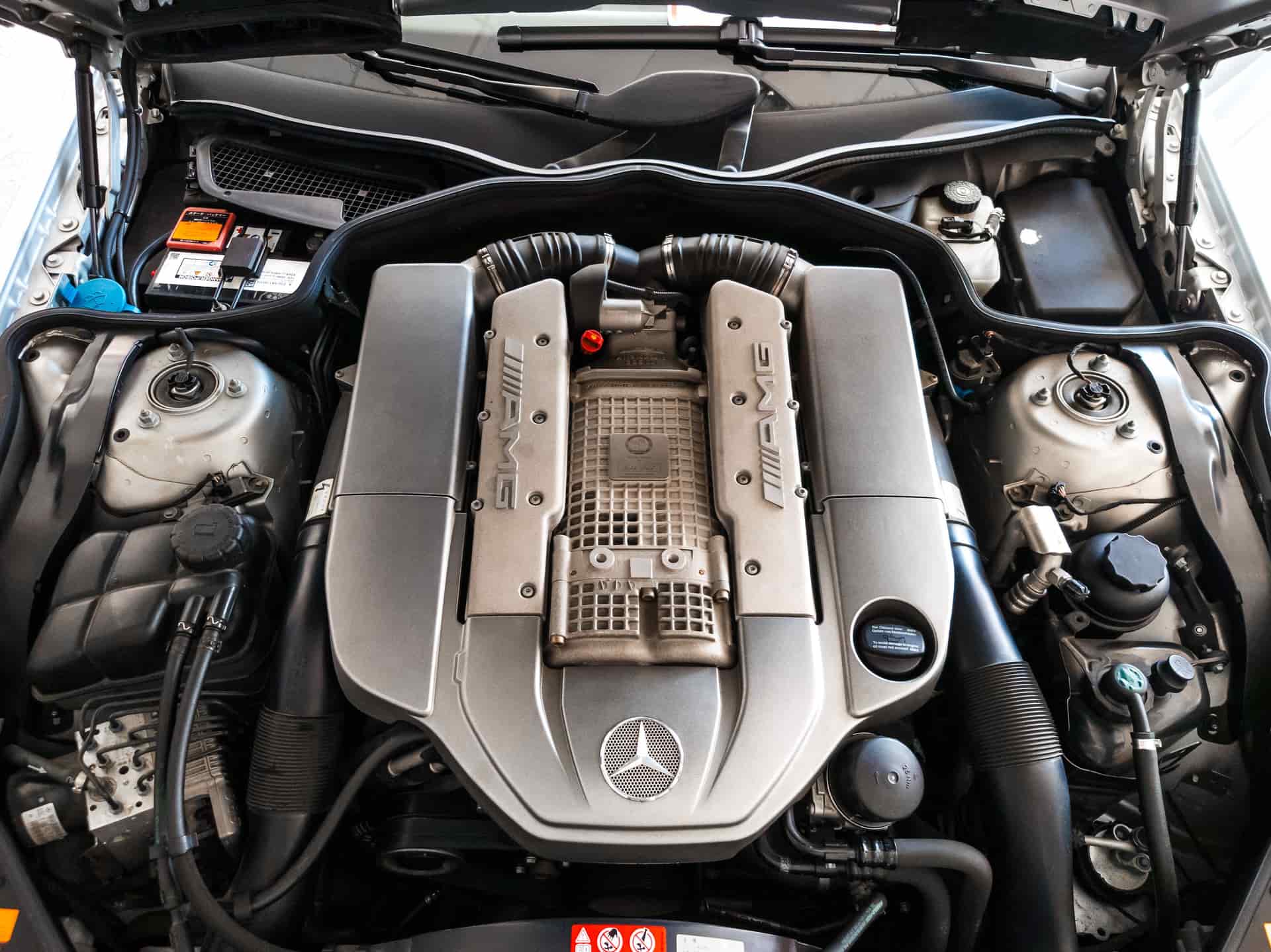
Magnetic engine heaters stick to steel. Most modern car engine blocks and oil pans are aluminum, and magnets do nothing at all on aluminum.
The established product here states this outright - it is listed for non-aluminum engine blocks, and the examples it gives are tractors, snowmobiles, snow blowers and generators, which is the maker telling you what this is really for. The cheap equivalent does not mention the restriction, which does not make it exempt from physics.
Check before you order, and the check takes five seconds: hold a fridge magnet against your oil pan. If it does not stick, no magnetic heater will work on your car, and your options are a factory block heater (many vehicles sold in cold regions have one already fitted, with the cord tucked behind the bumper) or a battery warmer instead.
Battery or oil - which matters more?
For most drivers, the battery, and for a specific reason: a battery warmer is cheap, easy to fit, works on every vehicle, and addresses the failure that actually strands you. A car with thick oil and a strong battery cranks slowly and starts. A car with thin oil and a flat battery does not crank at all.
Oil heating becomes the priority in two cases: genuinely severe cold where oil thickening is extreme, and diesels, where the compression the starter fights is far higher to begin with. If you drive a diesel in a hard climate, warming the oil is doing real work - jump starters for SUVs and trucks explains why diesel cranking is the hardest electrical job in ordinary motoring.
Warmer or maintainer?
A fair question, because both plug in overnight and both are about the battery. They do different things:
- A maintainer keeps the battery at full charge. It fixes the battery that discharged over two weeks of short trips.
- A warmer keeps the battery warm so that a full charge is actually available. It fixes the battery that is charged but cold.
If you only buy one, buy the maintainer - a discharged battery is the more common failure by a wide margin, and the charger picks cover it. The warmer is the upgrade for genuinely severe climates, or for a battery you already know is marginal and want to nurse through one more season. Both together is not excessive if you park outside somewhere properly cold.
Do notbuy a warmer to rescue a battery that is already failing
A warmer makes a healthy cold battery perform like a warm one. It does not restore capacity a worn-out battery has lost. If yours is over four years old and cranking has got slower each winter, the honest purchase is a new battery, not a heater to postpone the same outcome.
Using them safely
- Outdoor-rated extension cord, correctly sized. These draw real current for hours. A thin indoor cord under a car in slush is the genuine hazard in this category.
- Use a timer. Three to four hours before you leave achieves nearly everything overnight does, at a fraction of the electricity. Several of these products are sold alongside timers for exactly this reason.
- Check the cord routing every time. A cord that has worked its way onto the exhaust or into a belt is a problem you find once.
- Unplug before you drive. Obvious, and it is still the most common way block heater cords get destroyed.
The short version
For most people the battery pad: cheapest, easiest, fits everything, and it targets the failure that actually leaves you stranded. Step up to the wrap if you have a large truck battery and a real winter. Consider an oil pan heater only after you have checked with a magnet that it will stick, and buy the one that publishes a thermostat ceiling rather than the cheap equivalent that does not - this is a device you leave running unattended overnight, and that is exactly when a published limit is worth paying for.
The picks, one at a time
We haven't tested these
No lab, no borrowed units, no free samples. What we did do: pull every published spec into one table and work out what the numbers mean on a cold morning. Everything below traces to a published spec sheet, a manual, or a standard we can point you at - and if a figure isn't published, we say so instead of estimating it. The full method is here.
1. Best overall
Kat's 22400 60 Watt 5.5 x 8.5 in Battery Pad Heater
A silicone pad that goes under the battery, and the listing is blunt about the install: no mechanical ability required, just place it underneath. For most people that is the difference between buying one and never fitting it.
Best for: A five-minute install
What the maker publishes
- Power
- 60 W
- Size
- 5.5 x 8.5 in
- Covering
- Silicone, acid and oil resistant
- Install
- Place under the battery - no mechanical ability required, per the maker
- Made in
- USA, per the maker
What works
- The easiest install in this category by a distance, which is the spec that decides whether it gets used
- Fits most car and truck batteries without a size decision
- Silicone handles the heat cycling better than vinyl over many winters
What doesn't
- Heating from underneath warms the battery less evenly than wrapping it
- 60 W is less than the wrap, on a larger truck battery that gap shows
- Still needs an outlet where you park
Skip this if: you have a large truck battery and a real winter. The 80 W wrap is the more serious tool.
2. Most thorough
Kat's 22200 80 Watt 36 in Battery Thermal Wrap
Eighty watts wrapped around the case rather than sitting under it, which is the more thorough way to keep a battery warm. A warm battery delivers far more of its rated cranking current, and that is the entire argument for this category.
Best for: Wrapping the whole battery
What the maker publishes
- Power
- 80 W
- Length
- 36 in wrap
- Covering
- Vinyl, oil and acid resistant
- Fitment
- Various sizes to fit most batteries - check yours
- Stated benefit
- Reduces the strain on cold-weather starts, per the maker
What works
- Wrapping the case heats more of the battery than a pad under it, which is where the chemistry actually lives
- Vinyl covering is the right material next to a battery - oil and acid are what destroy cheap heaters
- 80 W is enough to make a real difference without being a load your outlet will notice
What doesn't
- Needs mains power where you park, exactly like a maintainer - no outlet, no warmer
- Sold in sizes, so you have to measure your battery rather than assuming
- It warms the battery and does nothing for the thick oil the starter is turning against
Skip this if: your battery is simply old. A warmer nurses a tired battery through one more winter; it does not fix it.
3. For the oil, if it fits
Zerostart Magnetic Engine Block and Oil Pan Heater, 200 W
Sticks to the oil pan and warms the oil the starter has to turn against, with a thermostat that caps it at 250F. One critical limitation is printed on the listing and missed by most buyers: it is for non-aluminum surfaces.
Best for: Warming the oil, not the battery
What the maker publishes
- Power
- 200 W, 120 V AC
- Thermostat
- Built in, will not exceed 250F, per the maker
- Mounts
- Magnetically to a metallic surface
- Critical limit
- Non-aluminum engine blocks and oil pans only, per the maker
- Also suits
- Tractors, snowmobiles, snow blowers, generators
What works
- Warms the oil rather than the battery, which is the other half of why a cold engine is hard to turn
- A built-in thermostat with a published ceiling is a genuine safety feature on an unattended heater
- No installation at all - it sticks on, and comes off in spring
What doesn't
- Magnets do not stick to aluminum, and most modern car oil pans and blocks are aluminum - check yours before buying
- 200 W on a cold steel pan takes hours, so this is a timer-and-overnight product
- Most expensive item in this category, and the one most likely not to fit your engine at all
Skip this if: your oil pan is aluminum. Check with a fridge magnet before ordering - if it does not stick, this cannot work.
4. Skip this one
CZTHQP 1155 Magnetic Engine Block Heater, 200 W
The same magnetic 200 W concept at a fraction of the cost, and the difference is what the listing does not say. No published thermostat ceiling, no stated surface restriction - on an unattended heater left running overnight, those omissions matter.
Best for: The same idea, a third of the price
What the maker publishes
- Power
- 200 W
- Mounts
- Magnetically
- Thermostat ceiling
- Not published by the maker
- Surface restriction
- Not published by the maker
- Fitment
- Sold as universal
What works
- Roughly a third of the price of the established equivalent
- Same no-install magnetic concept, so nothing to fit or wire
What doesn't
- No published temperature ceiling on a device designed to be left running unattended overnight
- Does not state the aluminum restriction that the established version prints clearly - the physics applies either way
- Universal is a claim, not a fitment; magnets and engine layouts are both specific
Skip this if: it will be left plugged in overnight, which is the normal way to use one. Pay for the published thermostat.
Questions people actually ask
Do battery warmers actually help in winter?
Yes, because a cold battery delivers considerably less than its rated cranking current. Keeping it warm means the charge it has is actually available. It does not restore capacity a worn-out battery has lost.
Will a magnetic engine heater work on my car?
Only if the oil pan or block is steel. Most modern engines are aluminum and magnets do nothing on aluminum - the established product here states it is for non-aluminum blocks. Test with a fridge magnet before ordering.
Should I warm the battery or the engine oil?
The battery, for most drivers - it is cheaper, fits every vehicle and addresses the failure that actually strands you. Oil heating matters more in severe cold and on diesels, where the starter fights much higher compression.
Is a battery warmer better than a battery maintainer?
They fix different things. A maintainer keeps the battery charged; a warmer keeps it warm so the charge is available. If you buy one, buy the maintainer - a discharged battery is by far the more common winter failure.
How long before driving should I plug in an engine heater?
Three to four hours gets you nearly all the benefit of running it overnight, at a fraction of the electricity. A timer is the standard way to do this and several heaters are sold with one in mind.
Do I need an outlet to use an engine or battery warmer?
Yes, every product in this category runs on mains power. If you park where there is no outlet, a warmer is not an option - and a solar maintainer is the only charging product that works in that situation.