Best de-icer sprays
The Best De-Icer Sprays
Five de-icers compared on size, applicator and label claims - and why the small can beats the big one.
It is iced solid and scraping is not cutting it
Chemistry does what a blade cannot. Here is what is actually in the can, what the rated temperature on a jug of washer fluid means, and which wiper blades publish a cold rating at all.
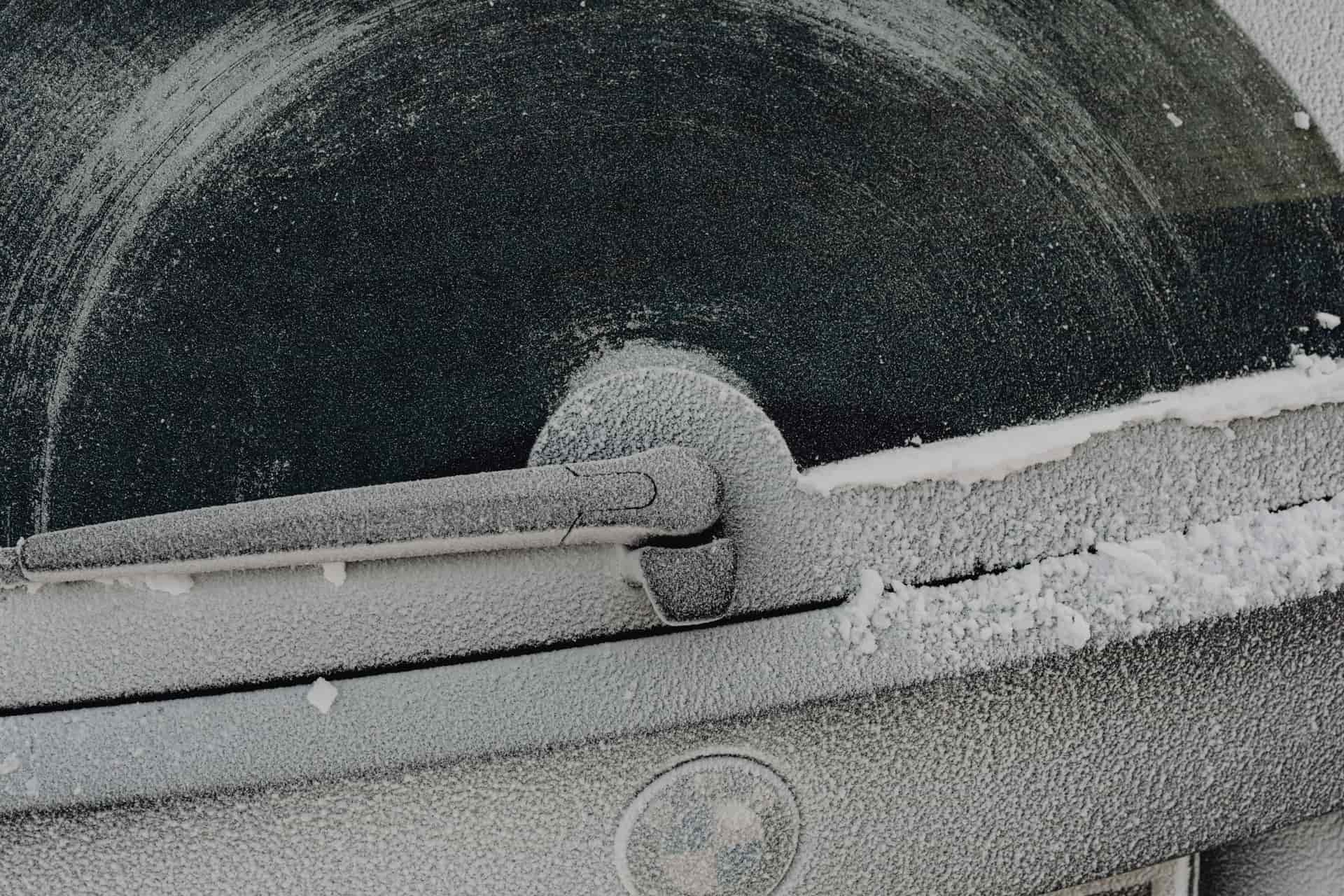
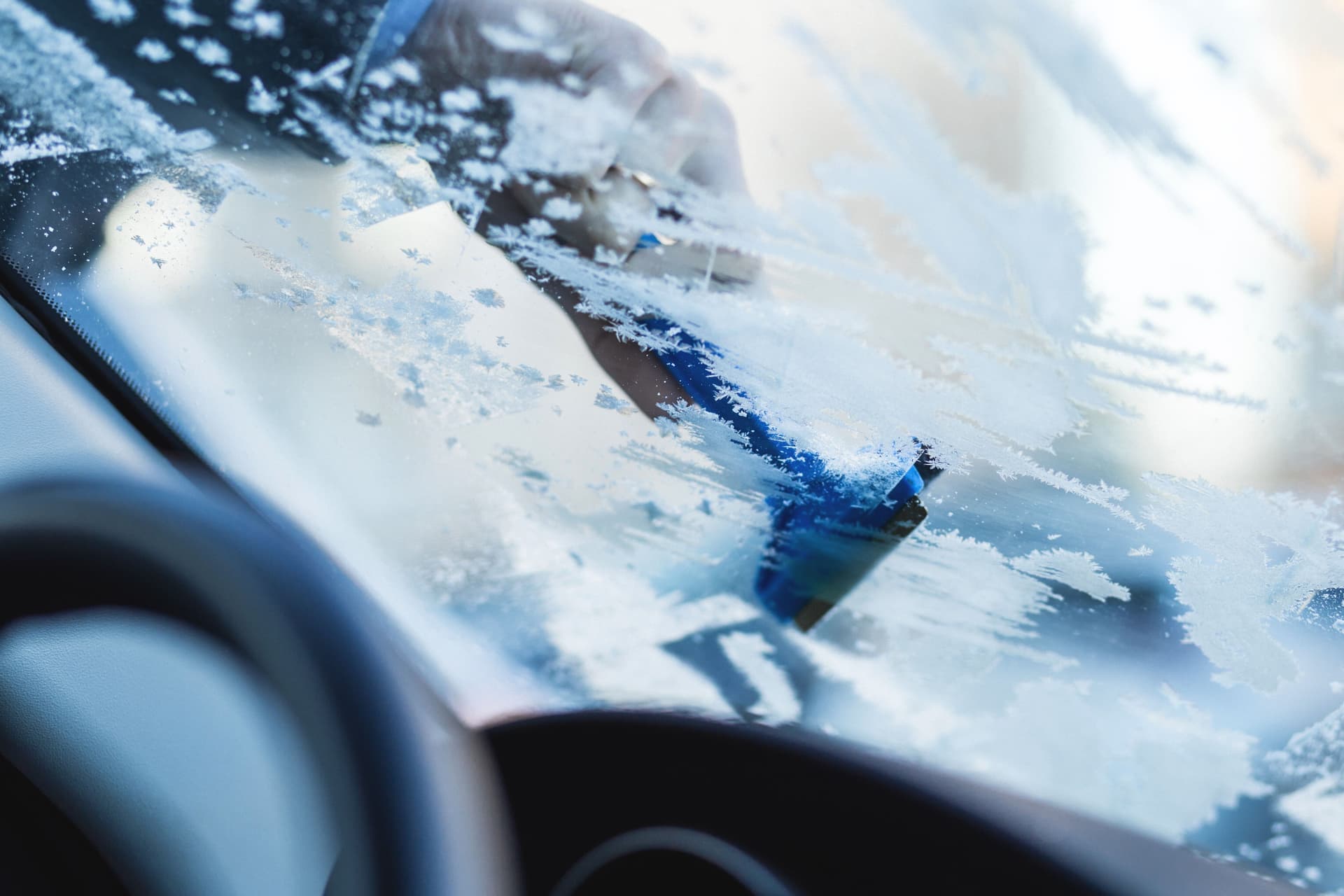
There is a point where a scraper stops working. When ice has bonded to glass overnight and then been rained on, a plastic blade skates across the top of it and all you get is noise and a sore shoulder. That is what de-icer is for, and it is the only product in this section that does something a tool cannot.
This section also covers the two things people forget until they are already driving: the washer fluid that turns to slush at the wrong moment, and the wiper blades that pack with ice and smear a salty windshield into an opaque gray screen.
The most common de-icer search is not "best de-icer". It is "does de-icer damage paint" - and four more variants asking about the car, the rubber, the wiper blades and the windshield. That is somebody standing in an aisle with a can in their hand looking for permission.
None of the nine competitor pages we read answers it on the roundup. We answer it first, in does de-icer damage your car, because it is the thing standing between the reader and a solved problem.
Winter washer fluid is a category with exactly one useful number: the temperature it is rated to. Some products print it on the label, and that printed figure is the whole decision. Many print nothing at all, and a fluid with no rating is a fluid you are guessing about. Read the jug rather than the shelf label - ratings differ between products and between listings for the same product.
The failure this prevents is not cosmetic. Summer washer fluid is mostly water. Water in a reservoir, in a pump and in thin lines expands when it freezes, and the reservoir is the cheapest part in that chain. People replace pumps every winter for the sake of a four-dollar jug.
Rule of thumb
Buy fluid rated at least 20F below the coldest night you actually park through. The rating is a melt figure, not a magic number, and it degrades as the fluid dilutes with rain and snowmelt through the season.
Conventional wiper blades have an exposed metal frame with several joints. Snow packs into those joints, freezes, and locks the frame rigid - at which point the blade cannot follow the curve of the windshield and leaves a smeared arc across your eyeline.
There are two answers. The old one is a rubber boot over the frame. The newer one is a beam blade with no frame at all - nothing for ice to pack into. Of the blades we looked at, Bosch is the one that publishes an actual tested temperature rather than the word winter on a package. The comparison is in the winter wiper blade picks, and note that blades are fitment parts: your driver and passenger sides are frequently different lengths on the same car.
Door lock de-icer is a two-dollar product with one absolutely critical rule: it cannot live inside the car it unlocks. It goes in a coat pocket, a bag or by the front door. Everything about frozen locks - including why hot water is the wrong idea and what to do if your keyless car has a hidden mechanical keyhole you have never found - is in the frozen door lock guide.
Those first two are different products despite both being sold as de-icer, and one manufacturer puts almost the same name on both - which is why people keep asking whether they already own it. De-icer spray vs de-icer washer fluid sorts out which is which, and why owning one and not the other means a bad morning eventually.
For a spare bottle or an emergency, yes - two parts rubbing alcohol to one part water is the same freezing-point chemistry a commercial can uses. The recipes to avoid are the ones that get repeated most: vinegar barely works and is acidic on trim, and salt water is the substance the rest of this site is about washing off. Homemade de-icer has the working recipe, the substitutes if you have no alcohol, and where a bought spray still wins.
Frozen washer fluid is almost always one of two things: a jug that was never rated for your temperature, or a reservoir diluted by top-ups until the rating no longer applies. The important part is what not to do - running the pump against a frozen line is how washer pumps burn out, and that repair costs far more than the fluid. Washer fluid freezing has the safe thaw and the fix that prevents a repeat.
A windshield de-icer cannot get into a keyway - it is built to sheet across flat glass, and the ice that matters in a lock is around the pins inside the cylinder. The product for that job is a separate, much smaller can, and the spec that decides it is not on the label: it is whether the can is small enough that you will carry it, because a lock de-icer in the glovebox is inside the car you cannot open. The lock de-icer picks are ranked on exactly that, with the graphite lubricant that stops it happening at all.
A water repellent is the cheapest thing here that measurably improves winter driving, and the most consistently oversold. It makes water bead so airflow lifts it off - which is excellent for sleet, slush and the road spray thrown up by the truck ahead, and does nothing to stop frost forming overnight. The Rain-X label is careful about it: the treatment reduces the adhesion of sleet and snow rather than preventing ice. The windshield water repellent picks rank on published durability and on how much prep each one demands.
That is the outside of the glass. The inside fogs for a different reason - warm moist cabin air meeting cold glass - and it needs different chemistry: an interior treatment that makes condensation form as a thin even film instead of thousands of light-scattering droplets. The anti-fog picks cover that, along with the cleaning step that decides whether any of them work.
On the wipers themselves, the choice buyers actually face is a design one. A conventional blade fails in winter because slush packs into its frame joints and freezes it solid; beam blades delete the frame and winter blades wrap it in a boot. Beam vs winter wiper blades sets out which suits a wet winter and which suits a frozen one.
De-icer solves the glass and a lock de-icer solves the barrel, but the door welded shut on a cold morning is neither: it is water in the shut line freezing the weatherstrip to the painted metal, and old dry rubber grips hardest. The fix is ten minutes with a silicone conditioner in autumn, and the can most people reach for is the wrong one - classic WD-40 is a solvent penetrant, not a silicone. The seal treatment picks separate conditioners from lubricants from pastes, and name the only product here that publishes a temperature range.
Two products dominate this shelf and they are not the same kind of thing: a few-dollar bottle that treats every window on the car, against a sealed single-use applicator that does one windshield and is the only product in the category whose maker publishes a durability claim at all. Rain-X vs Aquapel reads both claims carefully - including why a multiple of an unnamed baseline is not a measurement - and is clear about what neither one does, which is stop ice forming.
The picks, the head-to-heads and the answers to the questions that stop people buying. Prices come from the live layer, so a button that shows a number is showing today's number.
Best de-icer sprays
Five de-icers compared on size, applicator and label claims - and why the small can beats the big one.
Best winter washer fluid
Rated temperature is the whole decision. Five options, including one that can crack your reservoir.
Best winter wipers
Beam, hybrid or boot - how each stops ice packing the frame, and the one brand that prints a rating.
Blade vs chemistry
Frost is a scraper job. Bonded ice is a chemistry job. What happens when you use the wrong one.
Rated vs all-season
All-season is not a rating. What each fluid is, what it costs you, and how to switch over.
The safety answer
Paint, rubber, wipers, glass - what the labels commit to and where the real risk actually is.
The wiper fix
How to free a bonded wiper without tearing it, and four ways to stop it happening again.
The lock fix
Opening a frozen lock without snapping the key, and the storage rule that makes the fix work.
Spray vs fluid
Two products, two jobs, nearly the same name. Which one clears the ice you have and which one stops the next lot.
Homemade de-icer
The alcohol recipe that works, the vinegar and salt ones that do harm, and where a bought spray still wins.
The fix
Why it froze, how to thaw a reservoir safely, and the rating that prevents a repeat.
Best lock de-icers
Size, applicator and published temperature - plus the storage rule that makes every one of these work or fail.
Best glass treatments
What a repellent genuinely does in winter, the speed it needs to work, and which ones publish a durability figure.
Best anti-fog
What anti-fog treatments do, the prep step that decides the result, and the moisture source none of them fix.
The head-to-head
Frameless versus booted, what each one is genuinely better at, and why one of them has to be swapped in spring.
Best seal treatments
Conditioners vs lubricants vs pastes, the one product that publishes a temperature range, and the WD-40 mistake.
Head to head
The cheap bottle against the sealed applicator. Published chemistry, coverage, durability claims and the winter caveat.
New here? Start with the winter car checklist - it covers the whole car in one pass and points at the right section for each job. Or read how we pick before you trust a word of this.