The winter checklist
The Winter Car Checklist
The whole car in one pass. Glass, wipers, fluid, battery, tires, doors, locks and the trunk.
How do I fix this right now
The problems that happen at 7:12am while you are standing outside your car, answered in the first sentence. Then what to buy so it does not happen again tomorrow.
Everything in this section is written for somebody who is already outside, already cold, and already late. That means the answer comes first and the explanation comes after it. If a page here opens with a paragraph about how winter can be challenging, we have failed at the only thing that mattered.
The winter car checklist is the one page that covers the whole car in a single pass - glass, wipers, fluid, battery, tires, doors, locks and the trunk. It is deliberately written as a pre-season job you do once in October, because everything on it is cheaper and easier before the first frost than after it.
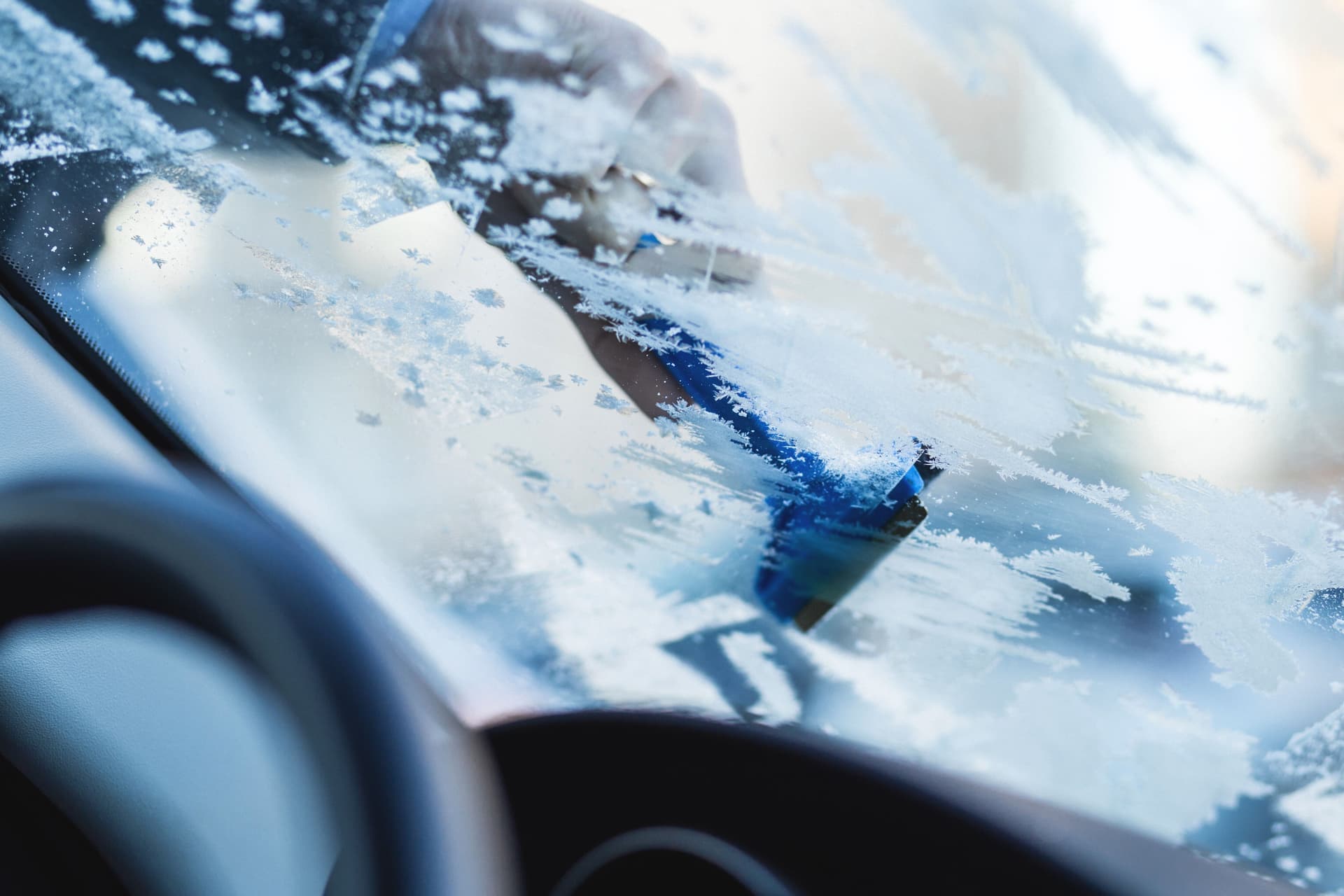
Nearly every winter car problem is the same problem in different clothes: water got somewhere and then the temperature dropped. Water on glass becomes ice on glass. Water in a door seal freezes the door to the body. Water in a lock cylinder freezes the pins. Moisture inside the cabin condenses on the inside of the windshield and then freezes there.
Once you see it that way, the prevention is obvious and it is nearly always cheaper than the cure. Keep the water off the glass with a cover. Keep it out of the seals with a silicone treatment. Keep it out of the cabin by not driving around with a wet floor mat. Ninety seconds of prevention beats ten minutes of scraping, every morning, for four months.
Every guide here finishes by pointing at the product that stops the problem recurring, because that is the honest ending. The answer to how to get ice off a windshield without a scraper is genuinely useful this morning - and the complete answer is that you should own a scraper before tomorrow morning. Both halves are true and we write both.
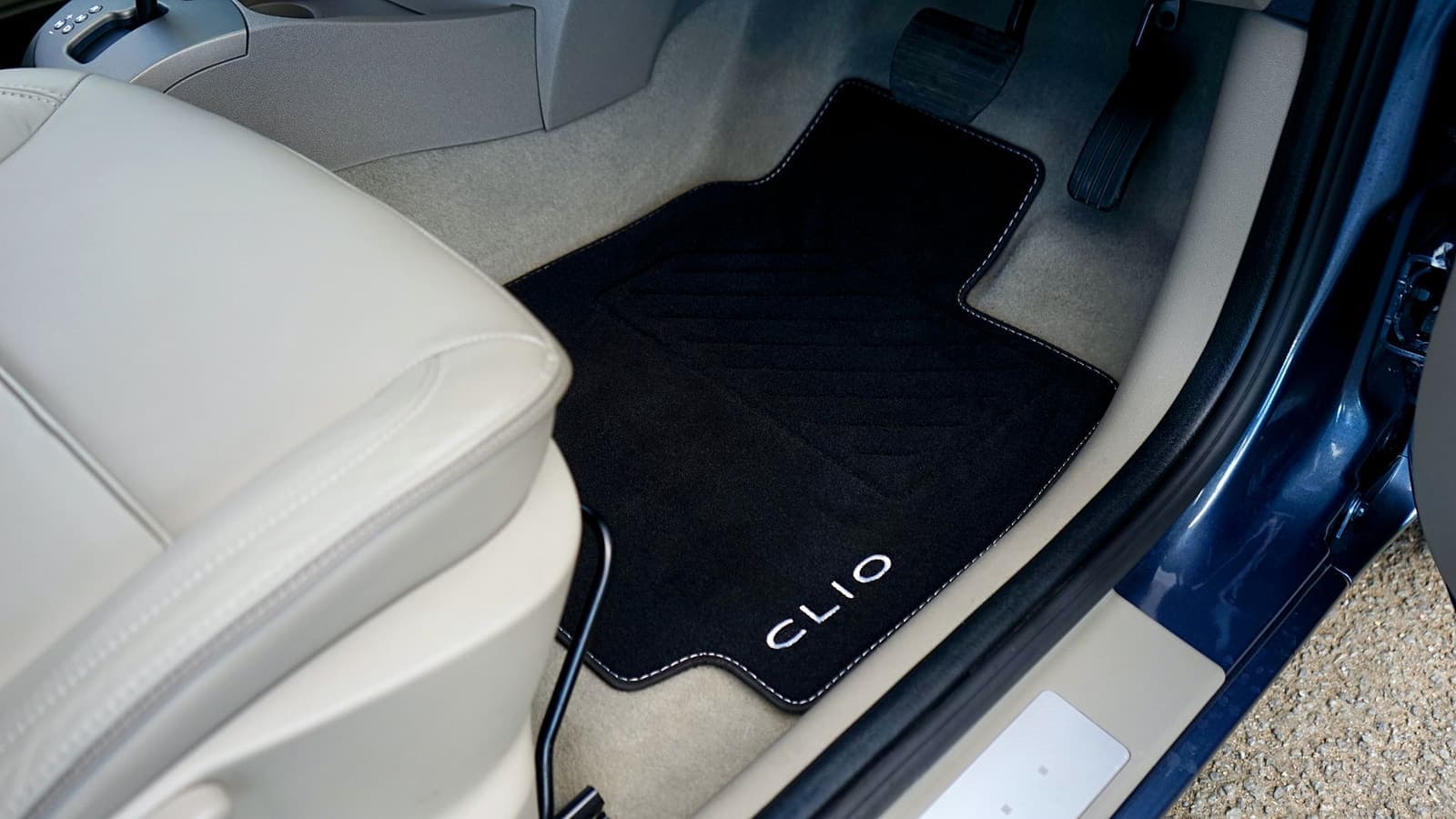
Everything above is about ice. The slower problem is the road salt that comes home with you - in the footwells on your boots, and in the seams underneath. Winter floor mats deals with the inside, where the real risk is a mat that slides into the pedals rather than a stained carpet. Washing a car in winter deals with the outside, including how to do it below freezing without sealing your own doors shut.
Most winter car advice quietly assumes an engine throwing off heat you already paid for. An EV has no waste heat worth the name, so every minute of defroster comes out of the traction battery and therefore out of your range - which turns a windshield cover from a time-saver into the best-value accessory an EV owner can buy. Winter car care for EVs and hybrids covers preconditioning on shore power and the ordinary 12V battery that is what actually strands electric cars.
A stone chip sits harmlessly through summer and splits across the glass on the first hard frost, because a winter windshield gets both extremes at once - a freezing outer face and a defroster on the inner one. The repair is about fifteen dollars and the window to do it well is short, since resin cannot displace a fortnight of road spray. The chip repair kit picks compare published damage limits and curing methods.
One product category to be skeptical of: the 12V heater that plugs into the cigarette lighter. A socket fused at 10 to 15 amps can supply roughly 120 to 180 watts, which is less than a hair dryer on its lowest setting against a cabin of freezing air. Are 12V car heaters worth it does the arithmetic and names the three cheaper things that work.
Washing deals with the salt already on the car. The other half is making it harder for brine to key to the paint in the first place, and that is a sealant applied on a mild autumn day - because none of these products publishes a minimum application temperature and all of them need a panel warm enough to bond. The winter wax and sealant picks rank on the one spec that decides it: only two of five publish how many months they last, and a coat that expires in January was applied for nothing.
Before buying a repair kit, read your policy. Comprehensive coverage commonly waives the deductible on a repairable chip, which makes a professional repair free - and the kits themselves publish the ceiling where their job ends, at roughly 1 to 1.25 inches of round damage. DIY chip repair vs a professional tabulates every published size limit and quotes the professional resin whose own listing says it is not a standalone DIY repair.
The white crust in a winter footwell is recrystallized road salt, not dirt - which is why the carpet cleaners people reach for do nothing to it, since they are formulated for coffee and pet messes. Salt dissolves easily; the step that decides the result is getting the solution back out before it dries. How to get salt stains out of car carpet has the dissolve-agitate-extract method, the one product whose maker names salt, and the cheaper answer, which is a lipped liner.
A stored car fails in four places and the battery is always first - alarms and modules draw continuously while a lead-acid battery self-discharges, and three months of that finishes a four-year-old battery. Then fuel, then moisture, then the tires, where Michelin and Continental genuinely disagree about whether to add pressure before a layup. What you need to store a car over winter is the four-purchase list, with both manufacturers' positions quoted side by side.
The picks, the head-to-heads and the answers to the questions that stop people buying. Prices come from the live layer, so a button that shows a number is showing today's number.
The winter checklist
The whole car in one pass. Glass, wipers, fluid, battery, tires, doors, locks and the trunk.
The ice answer
The fast safe sequence, the no-scraper options, and the three methods that crack windshields.
The frozen door fix
Opening a frozen door without tearing the seal, plus the frozen lock and the October fix.
The fog answer
Why A/C clears fog fastest, what causes interior ice, and how to dry the cabin out.
Best winter floor mats
Channel depth, cold flexibility and anchoring. Why fitted liners beat universal trays, and the one failure mode that is genuinely unsafe.
Winter washing
The rinseless method, the underbody rule, and how to avoid freezing your own doors shut.
For electric cars
Why preconditioning beats defrosting, the 12V battery nobody thinks about, and the accessories that pay off fastest.
Best repair kits
Why cold spreads chips, the published damage limits that decide repairability, and when to stop and call a shop.
The worth-it answer
The power arithmetic that settles it, the narrow job these do well, and the three things that actually work.
Best winter paint protection
Published durability figures, why sprays beat pastes in cold weather, and the part of the car wax cannot help with at all.
Head to head
The published size ceilings on every kit, when insurance makes a pro repair free, and which kit to buy.
The salt-stain answer
Dissolve, agitate, extract. Why ordinary carpet cleaner fails on salt, and the three products that cover the steps.
The storage list
Fuel, battery, moisture, tires. The four purchases that matter and the one piece of advice the tire makers disagree on.
New here? Start with the winter car checklist - it covers the whole car in one pass and points at the right section for each job. Or read how we pick before you trust a word of this.