Winter Car Care for EVs and Hybrids
Most winter car advice assumes an engine throwing off heat you did not pay for. An EV has no such thing, which changes the economics of every defrosting decision you make.
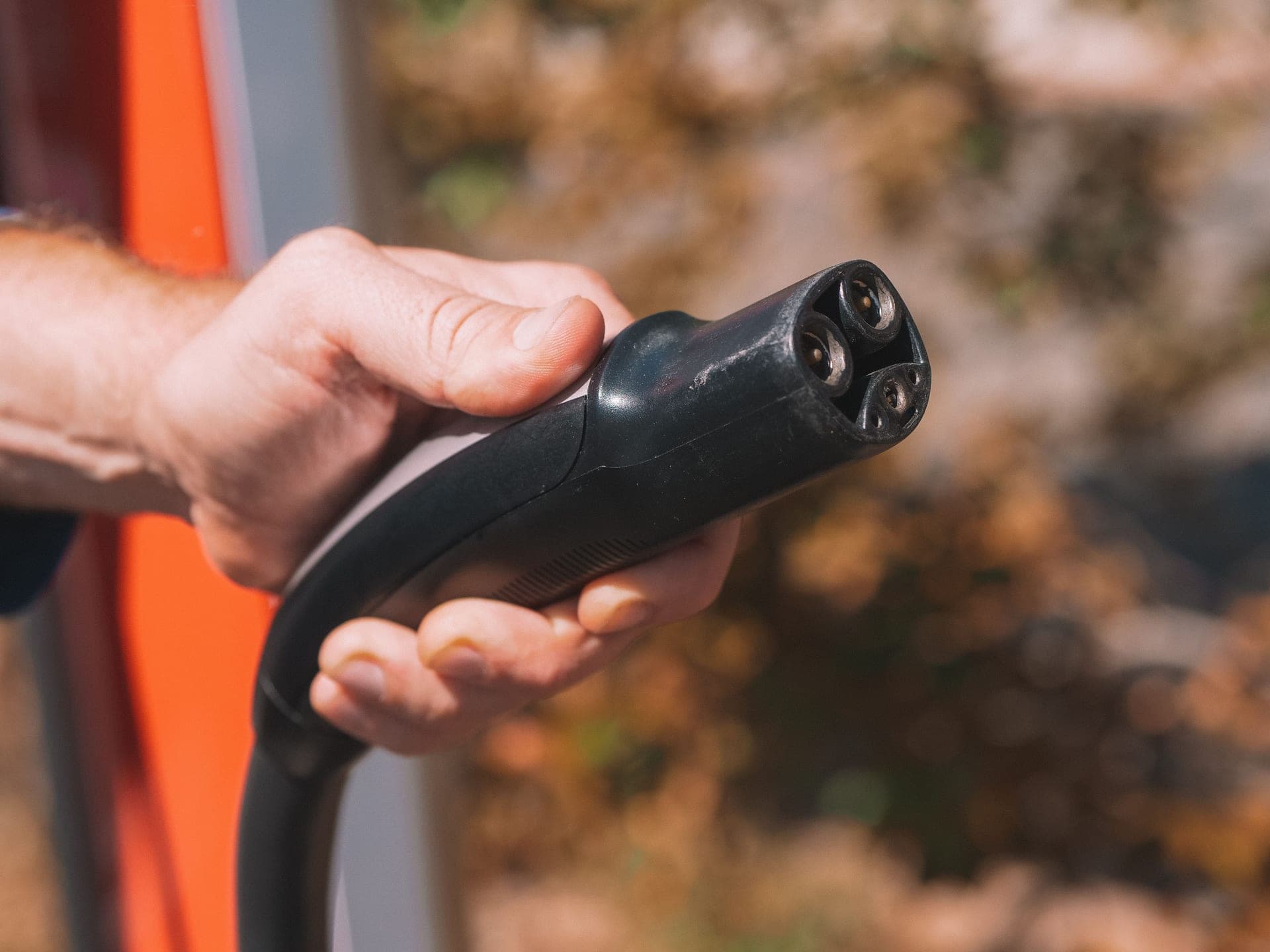
Precondition while still plugged in, so the heat comes from the wall rather than the battery. Cover the glass overnight, because defrosting is the single most expensive winter habit in an EV. And do not forget the ordinary 12V battery - on most electric cars it is the thing that actually leaves you stranded.
What genuinely changes, and what does not
Start by separating the two, because a lot of EV winter advice overstates the differences.
Four of those seven rows are unchanged. An EV needs the same scraper, the same brush, the same seal treatment and the same rated washer fluid as anything else. The winter car care that changes is specifically about where the heat comes from.
The heat problem, which is the whole thing
A combustion engine is roughly a third efficient. The other two thirds leave as heat, and your cabin heater and defroster are recovering waste you had already paid for at the pump. Heating the car is close to free once the engine is warm.
An EV has no waste heat worth the name. Every degree of cabin warmth and every minute of defroster comes out of the traction battery, which is the same energy that would otherwise be range. That is why EV range drops in winter far more than a gas car's economy does, and it is why defrosting is an expensive habit rather than a free one.
It also reframes a product this site already recommends heavily. On a gas car a windshield cover saves you time. On an EV it saves you time and range, which makes it the highest return accessory in this entire list - the cover picks apply unchanged.
Precondition while plugged in
This is the single most useful habit and it is free if you charge at home. Schedule or trigger cabin preconditioning while the car is still connected, so the heating draws from the wall rather than from the pack.
- Set the departure time if the car supports it. The car warms the cabin and, on most models, the battery, finishing as you leave.
- Leave it plugged in until you go. Preconditioning unplugged still works and comes straight out of your range.
- Precondition the battery too if the car offers it separately. A cold pack charges slower and delivers less, so warming it before a fast-charge stop is worth doing on a long winter trip.
- Do not rely on it to clear ice. Defrosters soften frost; bonded ice still needs a scraper, and running the defroster long enough to melt it is exactly the expensive habit to avoid.
The 12V battery is what strands EV drivers
Almost every electric car still has an ordinary 12V lead-acid or AGM battery, and it runs the computers, the contactors and the door locks. If it dies, the car will not wake up - a full traction battery underneath makes no difference at all.
It fails the same way it does in any car: cold, age, and long periods of sitting. The difference is that it usually cannot be charged by the simple act of driving in the way an alternator does the job, and many owners have never thought about it until the morning nothing happens.
- Leave the car plugged in when it sits. On most EVs the car maintains the 12V system from the traction pack when connected.
- Know where the 12V terminals are. Many EVs have jump posts under the hood specifically for this, and finding them for the first time in the dark is not the plan you want.
- A small maintainer is the cheap insurance if the car is stored - the charger picks cover what to look for.
- Check the manual before jumping it. Procedures differ, and some manufacturers explicitly restrict using the EV to jump another vehicle.
Do notassume a full traction battery means you cannot be stranded
A flat 12V battery immobilizes an EV completely, regardless of how much charge is in the main pack. It is the most common no-start on electric cars and it catches people out precisely because the dashboard has been showing plenty of range.
Hybrids sit in between
A hybrid has an engine, so it has waste heat - but it may not run the engine at rest, and leaving it in accessory mode to warm up drains the 12V battery rather than charging it.
Follow the manufacturer's ready-mode procedure rather than the habits from a gas car, and treat the 12V battery with the same attention an EV owner should. The related question of how often to run a car that mostly sits is in how often to start your car in winter.
What to actually buy for an electric car
- A windshield cover, first. It is the one accessory whose payback is measured in range as well as minutes.
- A brush and scraper sized to the vehicle. EVs are often tall and heavy with large glass; the reach problem is the same as any SUV.
- Silicone treatment for the door seals. Frameless and flush-fitting doors are common on EVs and they freeze shut like any other - frozen doors and locks covers the routine.
- A 12V maintainer if the car sits. Not a jump pack first - the maintainer prevents the failure the jump pack rescues.
Notably absent: anything engine related. No block heater, no oil consideration, no warm-up question. The gas-car winter checklist still mostly applies - the full checklist - minus the engine rows.
The short version
Precondition on shore power, cover the glass, and look after the 12V battery. Everything else about winter-proofing an electric car is the same job as any other car, with the same tools. The one genuinely new idea is that heat is no longer free, which turns a windshield cover from a time-saver into the best-value winter accessory an EV owner can buy.
What to buy, and what to skip
We haven't tested these
No lab, no borrowed units, no free samples. What we did do: pull every published spec into one table and work out what the numbers mean on a cold morning. Everything below traces to a published spec sheet, a manual, or a standard we can point you at - and if a figure isn't published, we say so instead of estimating it. The full method is here.
Heads up: we earn a commission if you buy through the links on this page, at no extra cost to you. It never changes a ranking - here is how we pick and how the site is funded.
1. Highest return on an EV
FrostGuard Deluxe Full-Coverage Windshield Cover, XL, 41 x 68 in

The one cover here that prints its dimensions on the listing, and the only one that covers the wipers and the side mirrors as part of the same product. Security panels tuck inside the doors so it cannot be lifted off the glass.
Best for: Almost everyone who parks outside
What the maker publishes
- Size
- 41 x 68 in, published by the maker
- Covers
- Windshield, wiper blades and side mirrors
- Material
- Polyester, per the maker
- Anchoring
- Fit-Fast straps plus security panels that shut in the doors
- Fits
- Described as ideal for SUVs and trucks of most makes
- Warranty
- One year, per the maker
- Rated temperature
- Not published by the maker
What works
- A published measurement is the single most useful thing in this category, and most competitors give you a vehicle list instead
- Wiper and mirror coverage in one product removes the two jobs a plain windshield cover leaves you
- Security panels inside the doors are what stop a cover leaving in the wind or with a passer-by
What doesn't
- At 41 x 68 in it is generous for a compact car - measure your glass before assuming bigger is better
- Polyester holds water, so it wants somewhere to dry rather than going straight into the trunk
- No published cold-temperature rating
Skip this if: you park in a garage. This solves an outdoor problem and nothing else.
2. For the 12V battery
NOCO GENIUS1 1A 6V/12V Smart Battery Charger and Maintainer

1A is a maintainer rather than a charger. If the job is keeping a healthy battery topped up through a cold month of not driving, that is all the current you need and this is the cheapest way in.
Best for: Pure maintaining, cheapest entry
What the maker publishes
- Output
- 1A
- Voltage
- 6V and 12V
- Temperature compensation
- Yes, per NOCO
- Features
- Overcharge protection, desulfator, Force Mode
- Chemistry
- Lead-acid (wet, gel, AGM) and lithium LiFePO4
What works
- Cheapest way to get real temperature compensation and AGM support rather than a dumb trickle charger
- Small enough to leave permanently connected in a garage
- Same overcharge protection and desulfation as the bigger units
What doesn't
- 1A takes a very long time to actually recharge a flat battery - it is designed to hold, not to refill
- Not the unit to buy if the battery is already run down
Skip this if: your battery actually goes flat rather than just drifting down. Buy the 5A, which can recover as well as hold.
3. For the glass and roof
SEAAES Extendable Snow Brush and Ice Scraper, 45 in

The reach tool. A 45 in pole and a pivoting head are what clear a roof, and a roof full of snow is what slides down onto your windshield at the first stop sign.
Best for: Reaching an SUV roof
What the maker publishes
- Extended length
- 45 in
- Scraper blade
- 5.2 in wide, foam grip
- Brush head
- Pivots 360 degrees
- Bristle material
- Not published by the maker
- Rated temperature
- Not published by the maker
What works
- The extension is the entire point on a tall vehicle: you clear the roof from the ground instead of standing on the sill
- A 5.2 in blade takes fewer passes across a windshield than the 3 in blade on a typical glovebox scraper
- The pivoting head lets you pull snow down the glass rather than push it sideways into the wiper cowl
What doesn't
- Long-handled tools live in the trunk, so this is the tool you do not have when you are parked somewhere else
- No published bristle material and no cold rating, so how the plastic behaves at 0F is not something the maker will tell you
Skip this if: you drive a low sedan and park in a garage. A 45 in pole is a lot of trunk for a roof you can already reach.
4. For the doors
Silicone Rubber Seal Conditioner
The actual fix for doors freezing shut. Water sits on a bare rubber seal and freezes it to the body; a silicone film stops the water sitting there in the first place.
Best for: Doors that freeze shut
What the maker publishes
- Type
- Silicone treatment for rubber weatherstrip
- Applied to
- Door, trunk and hatch seals
- When to apply
- Before the first freeze, on a dry seal
- Reapplication
- Per the product instructions, typically through the season
- Rated temperature
- Not published by the maker
What works
- Treats the cause rather than the symptom - a seal that sheds water cannot freeze to the body
- One bottle does every door on several cars
- Also slows the perishing of rubber seals generally
What doesn't
- Must be applied before the freeze, on a dry seal, which means doing it in October rather than in January
- Silicone overspray on glass is a smeary nuisance to remove
Skip this if: your doors are already frozen shut this morning. This is a prevention product; today you need warm hands and patience.
Questions people actually ask
Does defrosting an EV use a lot of battery?
More than people expect. A gas car recovers waste engine heat, which is effectively free once warm. An EV has no waste heat worth the name, so cabin heat and the defroster come straight out of the traction battery and therefore out of your range.
Should I precondition my EV while plugged in?
Yes, and it is the single most useful winter habit for an electric car. Preconditioning on shore power draws the heating energy from the wall rather than the pack, so you start the day warm without losing range.
Do electric cars still have a 12V battery?
Almost all of them do, and it runs the computers, contactors and locks. If it dies the car will not wake up regardless of how much charge is in the main pack - it is the most common no-start on EVs.
Do I need different winter accessories for an electric car?
Mostly no. The scraper, brush, washer fluid and seal treatment are identical. What changes is the value of a windshield cover, because on an EV it saves range as well as time.
Can I jump start another car with my EV?
Check the manual first - some manufacturers explicitly restrict it. The 12V system in an EV is not designed to deliver cranking current to another vehicle the way a conventional battery and alternator can.
How should I warm up a hybrid in winter?
Follow the manufacturer's ready-mode procedure rather than gas-car habits. A hybrid may not run its engine at rest, and sitting in accessory mode drains the 12V battery instead of charging it.