De-Icers, Washer Fluid & Wipers
Washer Fluid Freezing? Here Is What to Do
Nothing comes out when you pull the stalk, and the forecast says it will be colder tomorrow. The cause is almost always one of two things, and only one of them is expensive.
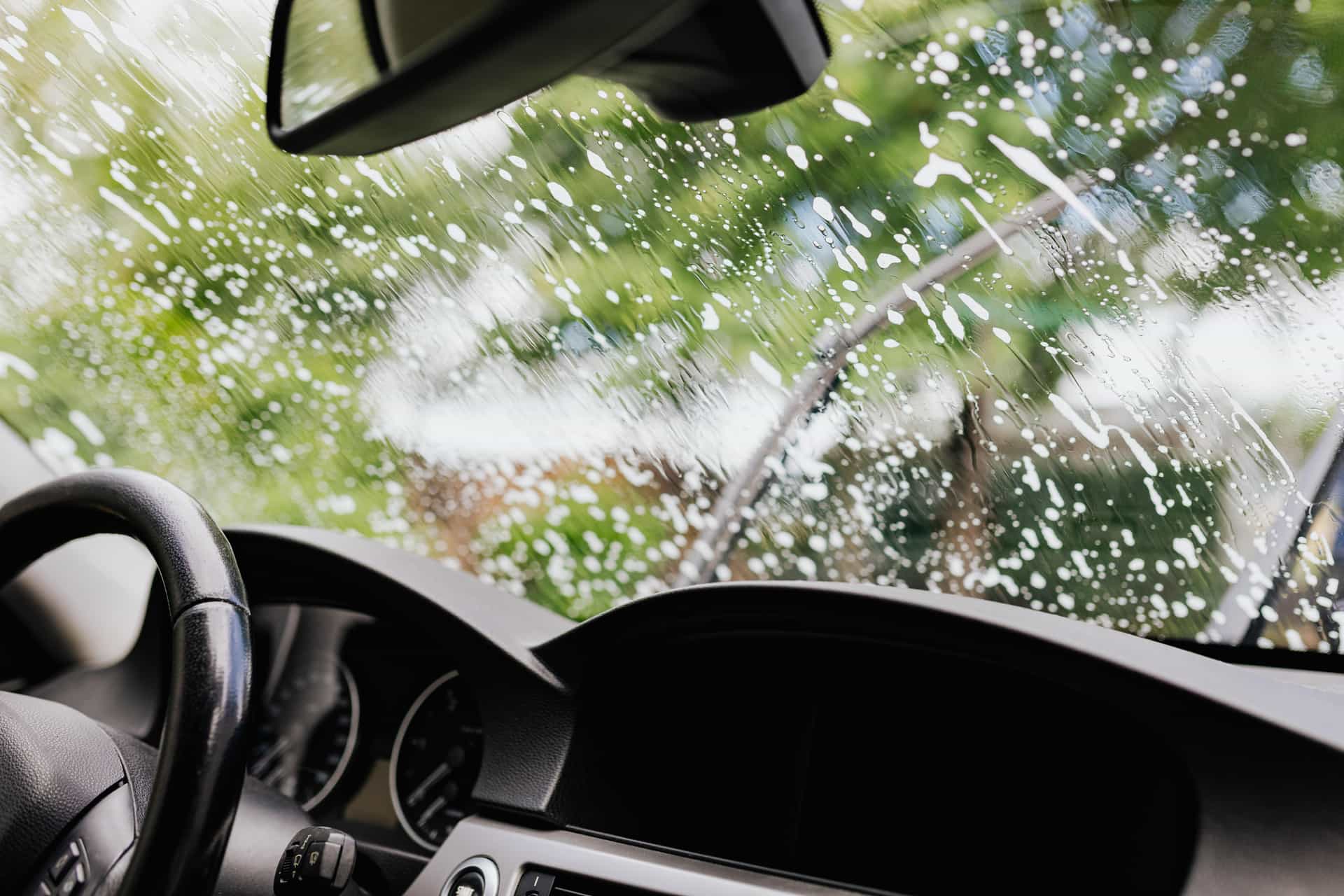
Move the car somewhere above freezing and let it thaw on its own - a heated garage overnight is the whole fix. Do not pour hot water into the reservoir and do not keep pulling the stalk, because running a frozen pump is what turns a free problem into a paid one. Then replace the fluid with one whose printed rating is lower than your worst night.
Why it froze
Two causes, and between them they account for nearly every case.
- The fluid is rated for the wrong temperature. Summer fluid and the blue all-season jugs are mostly water. Some are rated only to around freezing and a few carry no cold rating at all.
- It got diluted. This is the one people miss. You topped up a winter reservoir with an all-season jug in November, or with plain water at some point, and the mixture now freezes far higher than the rating printed on the original jug. A reservoir is rarely topped up with the same thing twice.
There is a third, rarer cause worth knowing: the fluid is fine but the nozzles or the lines are iced. If the reservoir is liquid when you look in it and nothing comes out, the blockage is downstream.
How to thaw it without breaking anything
- Stop pulling the stalk. The pump is trying to push solid ice. Running it dry against a frozen line is the most common way people burn out a washer pump, and the pump costs far more than the fluid.
- Get the car warm. A heated garage overnight is the ideal. Failing that, a long drive with the engine bay warm will thaw the lines and eventually the reservoir, though the reservoir is the slowest part.
- Never pour hot water in. Thermal shock on a cold plastic reservoir, and you are adding more water to a mixture whose problem is that it contains too much water already.
- Once it flows, do not just top it up. Use as much as you can, then refill with properly rated fluid so you are diluting the weak mixture rather than being diluted by it.
Do notkeep operating the washers to break the ice
The pump is a small motor sitting in fluid it cannot move. Repeated attempts against a frozen line burn it out, and a replacement washer pump plus labor is many times the cost of the gallon of fluid that would have prevented all of this. If nothing comes out, leave it alone until the car is warm.
Can a frozen reservoir crack?
It can. Water expands as it freezes and a reservoir full of a weak mixture is a sealed plastic container full of expanding ice. Cracked reservoirs and split lines are a real outcome of running summer fluid into a hard freeze, and the crack usually only reveals itself as a slow leak once everything thaws.
This is the reason the rating is not a nicety. It is not about spray performance on the night; it is about what the liquid does to its container.
Reading the rating properly
The number on the jug is the important thing and it is often in small print. Two habits make it useful:
- Buy rated well below your worst night, not at it. The printed figure is for the fluid as supplied. Every top-up and every bit of rain and snowmelt that gets in dilutes it upward through the season.
- Understand what the figure means. The rating is generally a point at which the fluid stops flowing properly, not a guarantee it will still clear a windshield well at that temperature. Performance degrades before the number.
The full comparison of ratings and formulations is in the winter washer fluid picks, and the difference between the two products that both call themselves de-icer is in de-icer spray vs de-icer washer fluid.
If the tank is already full of the wrong stuff
Draining a washer reservoir properly means getting under the car and pulling the pump or the hose, which is more work than most people want. Two practical alternatives:
- Use it down. Run the washers deliberately on dry days until the level is low, then fill with rated fluid. Crude, effective, free.
- Add a booster concentrate. A de-icer additive designed to be poured into an existing reservoir lowers the freezing point of what is already in there. It is the only genuinely quick fix for a full tank of the wrong fluid.
Preventing the repeat
- Switch in October, before the first freeze. Not after it. The switch-over is the whole job and it takes five minutes.
- Keep one jug of rated fluid in the trunk. Top-ups with whatever is at the gas station are how a rated reservoir becomes an unrated one.
- Never top up with water. Not even a little, not even in an emergency in winter. It is the fastest way to undo the rating.
- Check the nozzles too. If fluid flows but nothing reaches the glass, the nozzles are iced rather than the tank - the frozen wiper guide covers the same cold-morning cluster.
The short version
Thaw it by warming the car, not by adding heat or water to the reservoir, and stop using the pump until it flows. Then fix the cause: rated fluid, bought below your worst night rather than at it, switched over in October, and never topped up with water. The whole prevention costs about the price of two coffees and the failure costs a washer pump.
What to buy, and what to skip
We haven't tested these
No lab, no borrowed units, no free samples. What we did do: pull every published spec into one table and work out what the numbers mean on a cold morning. Everything below traces to a published spec sheet, a manual, or a standard we can point you at - and if a figure isn't published, we say so instead of estimating it. The full method is here.
Heads up: we earn a commission if you buy through the links on this page, at no extra cost to you. It never changes a ranking - here is how we pick and how the site is funded.
1. The fix
Prestone AS250 De-Icer Winter Windshield Washer Fluid, 1 Gallon

Prints a rated melt temperature on the label, which is the whole decision in this category and something most fluids never print. Read the figure off the jug in front of you - published ratings for this line have not been consistent between listings, so the label is the authority, not us.
Best for: The one number that matters
What the maker publishes
- Rated temperature
- Printed on the label - check the jug, reported figures vary between listings
- Volume
- 1 gallon
- Type
- Pre-mixed de-icer washer fluid
- Active ingredient
- See the product label and SDS
- Water-repellent additive
- None claimed
What works
- A published rated temperature is the only spec in this aisle worth comparing, and this one prints it
- Pre-mixed, so there is no dilution mistake to make in a cold garage
- Whatever the jug prints, a rated winter fluid sits well below the point where summer blue fluid turns to slush and splits a reservoir
What doesn't
- A printed rating is not a guarantee at any temperature - if your nights go past what the jug says, this is not your fluid
- A gallon jug is heavy and awkward to pour into a cold engine bay without a funnel
Skip this if: your winters are mild and your existing fluid has never frozen. All-season fluid is cheaper and does the same job above freezing.
2. Cheapest rated option
Splash Original Blue Windshield Wash, -20F, 1 Gallon

The everyday winter fluid sold by the gallon in every parts aisle. Rated around -20F, which covers most of the country most of the time.
Best for: Ordinary cold, at the lowest price
What the maker publishes
- Rated temperature
- -20F, printed on the jug
- Type
- Pre-mixed, 1 gallon
- Brand
- Splash
- Active ingredient
- See the product label and SDS
- Repellent film
- Usually none
What works
- Cheapest way to get a genuine winter rating into the reservoir
- Widely stocked, so restocking mid-season is easy
What doesn't
- A freeze rating is not a de-icing claim - this clears the reservoir side of the problem, not ice already bonded to the glass
- No repellent film, so water still sheets across the glass the way it always did
Skip this if: you park outside somewhere that regularly beats -20F. Buy the rated de-icer fluid instead.
3. If the tank is already full
Prestone AS240 Windshield Washer Fluid Booster De-Icer Additive, 15.5 oz

The answer to the specific problem of a reservoir full of the wrong fluid in October. You cannot easily drain a washer reservoir; you can pour a booster into it.
Best for: A reservoir already full of summer fluid
What the maker publishes
- Type
- Additive concentrate, not a standalone fluid
- Size
- 15.5 oz
- Rated temperature
- Not published by the maker
- Active ingredient
- See the product label and SDS
- Dosing
- Per the bottle instructions
What works
- Solves the real problem - a full reservoir of summer fluid and a frost warning tonight
- Small enough to keep in the trunk as insurance
What doesn't
- The resulting freeze point depends on what is already in your reservoir, so there is no rated number to quote
- Dosing by eye into a half-full tank is guesswork, and this is a category where guesswork is what freezes the pump
Skip this if: your reservoir is nearly empty. Just fill it with a rated winter fluid and skip the arithmetic.
Questions people actually ask
Why does my windshield washer fluid keep freezing?
Either the fluid is not rated for your temperature, or it has been diluted by top-ups with all-season fluid or water. Dilution is the cause people miss - a reservoir is rarely topped up with the same thing twice.
How do I thaw frozen washer fluid?
Move the car somewhere above freezing and let it thaw on its own. Do not pour hot water into the reservoir and do not keep operating the washers, because running the pump against a frozen line is how pumps burn out.
Can frozen washer fluid damage my car?
Yes. Water expands as it freezes, so a reservoir of weak mixture can crack, and lines can split. The more common damage is a burned-out washer pump from repeated attempts to spray through ice.
What temperature should winter washer fluid be rated for?
Well below your worst night rather than at it. The printed figure applies to the fluid as supplied, and every top-up plus any rain or snowmelt that gets in raises the freezing point through the season.
What if my reservoir is already full of summer fluid?
Either run the washers on dry days until the level drops and then refill with rated fluid, or add a de-icer booster concentrate designed to be poured into an existing reservoir. Draining properly means pulling the pump or hose.
Fluid comes out of the pump but not onto the glass - what is wrong?
The nozzles or the lines are iced rather than the reservoir. Warm the car through, and check the nozzles are clear; that is a different failure from a frozen tank and it usually clears faster.