Cold Starts, Batteries & Jump Starters
Battery Maintainer vs Battery Charger
They sit on the same shelf, they use the same clamps, and they do opposite jobs. Amperage is the tell: under two amps is a maintainer, six to fifteen is a charger.
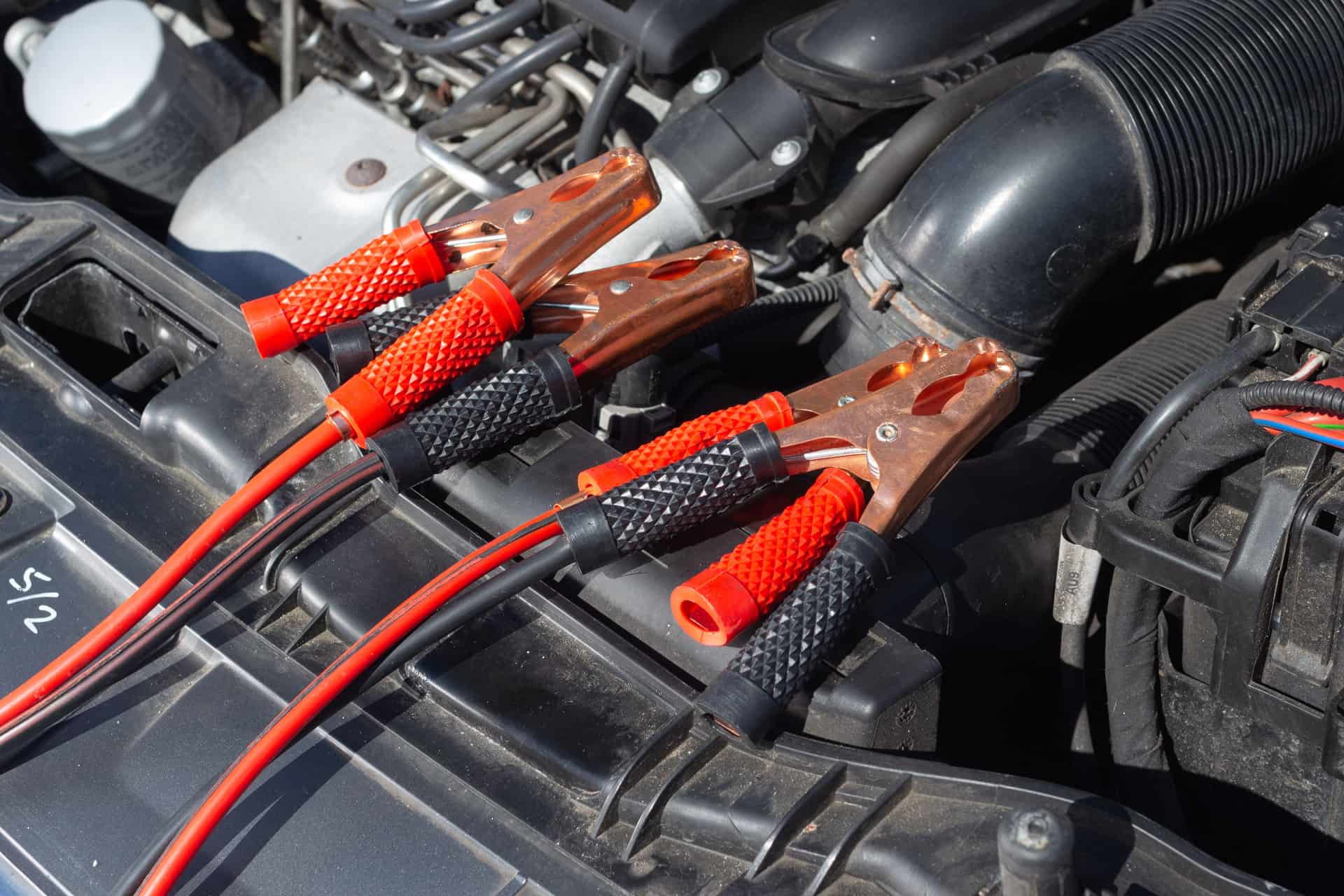
If the battery is healthy and the car just sits, buy a maintainer - one to one and a half amps, float charging, leave it connected all winter. If the battery is flat now, or goes flat repeatedly, buy a charger of six amps or more. If you want one device to cover both, a four-amp smart charger is the compromise that genuinely works.
This is the most common wrong purchase in the whole cold-start category, and the two products are hard to tell apart on a shelf. Both have a wall plug, both have red and black clamps, both say something about batteries and winter on the box. The difference is amperage, and amperage is speed.
The actual difference
A maintainer - a tender, in the language of the best-known brand - delivers something like three quarters of an amp to one and a half amps. It brings a battery to full and then switches to a float voltage that holds it there without overcharging. It is designed to stay connected for weeks or months.
A charger delivers six, ten or fifteen amps. Its job is to put a meaningful amount of energy back into a battery in a useful amount of time. Modern ones are microprocessor-controlled and will also hold a float once full, which is why a good charger can cover both jobs while a maintainer cannot.
The arithmetic makes it concrete. A typical car battery holds somewhere around 50 to 70 amp-hours. Replacing 40 amp-hours of that at 0.75 amps takes more than fifty hours of charging before losses; at 15 amps it is a few hours. Neither number is a fault - they are two different products doing two different things.
Trickle charger is not the same as maintainer
The phrase trickle charger covers two very different things and the distinction matters. A genuine maintainer monitors voltage and floats; an old-fashioned dumb trickle charger simply pushes a small constant current whether the battery needs it or not.
Left on for a month, the dumb one keeps pushing current into a battery that is already full. That gasses the electrolyte, dries a flooded battery out and cooks an AGM. Every product on this page is a smart unit with a float stage, which is the feature you are actually buying - and the reason the good ones advertise the number of charging stages on the front.
Which one you need
- Car driven daily, battery healthy: neither. Your alternator is doing this job. Spend the money on a tester instead and find out whether the battery will last the winter.
- Car sits for weeks, or does only short trips: maintainer. Short cold trips never replace what starting costs, so the battery slowly loses ground all winter - see how often to start your car in winter.
- Second car, classic, motorcycle, mower, boat: maintainer, with the ring-terminal harness fitted so connecting it is a ten-second job.
- Battery is flat right now: charger. A maintainer will get there eventually and you will not wait.
- Battery keeps going flat: charger, then diagnosis. Repeated flat batteries mean a parasitic drain, a charging fault or a failing battery, and no charger fixes any of those.
- You need the car to start in a parking lot: neither - that is a jump starter, and we have a whole page on why people buy the wrong one of those too.
Do notleave a flat battery flat until spring
A lead-acid battery left discharged sulfates, and sulfation is progressive and eventually permanent. The battery that would have recovered from a week flat may not recover from a month flat. If it is dead, charge it now rather than in spring - and if it has been flat for months, do not be surprised when it does not come back.
What to look for on either one
- A float or maintain stage, stated. Number of stages is the usual shorthand - four steps on the maintainer here, eight on the CTEK.
- AGM support if you have an AGM battery. AGM wants a slightly different charge profile, and the chemistry page explains why.
- A ring-terminal harness. The single feature that decides whether you use the thing. Fit it to the battery once and connecting means plugging in a pigtail.
- Reverse-polarity protection. Non-negotiable on a device you connect in the dark with cold hands.
- Weather rating, if it lives outside. Exactly one product here publishes splash and dust protection, and if your car sleeps in a carport that is the spec that matters most.
The short version
Buy the maintainer if the battery is fine and the car just sits - it is the cheapest device here and the right answer to that question. Buy the fifteen-amp charger if the battery is flat or keeps going flat, because it is the only one that gives you the car back today and it maintains afterwards anyway. Buy the CTEK if you want one unit that does both properly and can live in a damp garage. Buy the Schumacher with engine start only if the car parks within a cord of an outlet - if it does not, that money belongs in a jump pack instead.
What to buy, and what to skip
We haven't tested these
No lab, no borrowed units, no free samples. What we did do: pull every published spec into one table and work out what the numbers mean on a cold morning. Everything below traces to a published spec sheet, a manual, or a standard we can point you at - and if a figure isn't published, we say so instead of estimating it. The full method is here.
Heads up: we earn a commission if you buy through the links on this page, at no extra cost to you. It never changes a ranking - here is how we pick and how the site is funded.
1. The maintainer
Battery Tender Plus 12V 1.25A Battery Charger and Maintainer

A maintainer with enough current to also recharge a partly flat battery overnight, and a ten-year warranty that says what the maker thinks of it. The four-step program ends in float, which is the behavior that separates a maintainer from a dumb trickle charger.
Best for: A car that sits all winter
What the maker publishes
- Output
- 1.25A
- Voltage
- 12V
- Program
- 4-step, ending in float
- Warranty
- 10 years, per the maker
- Connections
- Fused ring terminal harness and alligator clips, quick disconnect
- Status
- Two-color LED; resumes full output if voltage drops under load
What works
- Float mode is the whole point - a dumb trickle charger keeps pushing current into a full battery and cooks it, and this stops
- The ring-terminal harness is the reason these get used: fit it once, then connecting means plugging in a pigtail rather than opening the hood in the dark
- Ten-year warranty on a device meant to be left connected for months at a time
What doesn't
- 1.25A will not rescue a fully dead battery in a useful timeframe - that is a charger's job
- 12V only, and a fraction of the current of the chargers above for a similar price
- No 6V mode, no desulfation, no testing - it does one thing
Skip this if: your battery is already flat. Buy a charger, bring it back, then maintain it with something like this.
2. The charger
Schumacher SC1280 15A Car Battery Charger and Maintainer, 6V/12V

This is what a charger is, as opposed to a maintainer: 15 amps, which refills a dead car battery in an afternoon rather than over three days. It also maintains afterwards, which is why it can be the only mains device you own.
Best for: Recharging a flat battery today
What the maker publishes
- Output
- 15A rapid charge
- Voltage
- 6V and 12V, automatic detection
- Functions
- Charges, maintains, tests, restores - 4-in-1, per the maker
- Battery types
- Standard, AGM, gel, deep-cycle
- Desulfation
- Yes, advanced desulfation mode
- Maintain mode
- Smart trickle charging
What works
- 15 amps is the difference between a battery you can use tonight and one you plug in and wait for - a 60Ah battery at 15A is hours, the same battery on a 750mA maintainer is days
- Covers AGM and deep-cycle as well as flooded, so it handles a boat or a tractor battery too
- Does both jobs, which makes the maintainer-versus-charger question moot if you only want to buy once
What doesn't
- Bulkier and dearer than a maintainer, and most of its capability sits unused if your car is driven daily
- Desulfation recovers some sulfated batteries and not others; no charger can promise which
- Fifteen amps deserves respect - this is a garage tool, not something to leave under a car seat
Skip this if: your car simply sits for weeks. A float maintainer costs a third as much and is the correct tool for that job.
3. Genuinely both
CTEK MXS 5.0 Fully Automatic 4.3A Battery Charger and Maintainer, 12V

Eight charging stages, a reconditioning mode, and a float-pulse cycle the maker says you can leave connected for months. The one listing here that names cold-weather drivers as the intended user - and the only one rated splash and dust proof, which matters in a driveway in February.
Best for: One device that genuinely does both jobs
What the maker publishes
- Output
- 4.3A
- Voltage
- 12V
- Stages
- 8-step fully automatic
- Battery types
- 12V lead acid and AGM
- Reconditioning
- Yes - can improve lifespan of healthy batteries, per the maker
- Protection
- Splash, dust, spark and shock proof; reverse-polarity protected
What works
- 4.3 amps is the sweet spot - fast enough to actually recharge a car battery overnight, gentle enough to leave on float for months
- Splash and dust proof is the spec that decides whether a charger can live on a garage floor or in a carport, and nobody else here publishes it
- Plug-and-forget with no need to disconnect the battery, which removes the main reason people never use the charger they own
What doesn't
- Most expensive device on this page, by a wide margin, for less current than a 15A charger
- 12V only - no 6V mode for a classic or a garden machine
- Reconditioning helps some tired batteries and not others; the maker says as much
Skip this if: you need to revive a fully flat battery in a hurry. At 4.3A that is an overnight job, not an afternoon one.
4. Also starts the engine
Schumacher SC1281 6A Car Battery Charger, Maintainer and 100A Engine Starter

The only device here that can start the engine as well as charge the battery: a 100-amp engine-start mode on top of a 2-to-6 amp smart charge, plus battery testing and desulfation. If the car lives within a cord's reach of an outlet, this replaces a jump pack too.
Best for: A garage where the car has to start now
What the maker publishes
- Charge output
- 2A to 6A, microprocessor controlled
- Boost charge
- 12A to 30A
- Engine start
- 100A
- Voltage
- 6V and 12V, automatic detection
- Functions
- Starts, charges, maintains, tests, restores - 5-in-1, per the maker
- Maintain mode
- Smart trickle charge, can stay connected
What works
- Engine-start mode means a dead battery in a garage does not need a second car or a lithium pack - the wall socket does it
- Built-in battery testing overlaps with a dedicated tester, which is one fewer tool to buy
- Does the maintaining job too, so it covers a car that sits as well as one that failed
What doesn't
- Engine start only helps if the car is beside an outlet - useless in a parking lot, which is where cars actually strand you
- 6A charging is slower than a 15A charger for the same money
- More modes than most people will ever use, on a front panel to match
Skip this if: the car parks away from power. Then the money belongs in a lithium jump pack, not in a mains charger.
Questions people actually ask
What is the difference between a battery maintainer and a battery charger?
Amperage, and therefore purpose. A maintainer puts out roughly 0.75 to 1.5 amps and holds a good battery full for months on a float voltage. A charger puts out 6 to 15 amps and refills a flat battery in hours. Most smart chargers can also maintain; a maintainer cannot usefully charge.
Can I leave a battery maintainer connected all winter?
Yes - that is what it is designed for, provided it is a smart maintainer with a float stage rather than a dumb trickle charger. A dumb trickle charger left on for weeks keeps pushing current into a full battery and will dry it out or cook an AGM.
How long does a battery tender take to charge a dead battery?
Longer than you will wait. A car battery holds roughly 50 to 70 amp-hours, so replacing 40 of them at 0.75 amps is over fifty hours of charging before losses. A 15-amp charger does the same work in an afternoon.
Is a trickle charger the same as a battery maintainer?
Not necessarily, and the difference matters. A maintainer monitors voltage and floats when full. An old-style trickle charger pushes a constant small current regardless, which overcharges a battery that is already full if you leave it connected.
Do I need a charger if I have a jump starter?
They solve different problems. A jump starter gets you moving once, away from power; a charger puts energy back into the battery. If your battery needs jumping repeatedly, a jump starter is hiding a fault a charger and a test would find.
Will a battery maintainer fix a battery that keeps going flat?
No. Repeated flat batteries mean a parasitic drain, a charging system fault or a battery at the end of its life. A maintainer masks the symptom; testing the battery and the charging output finds the cause.